


![]() ![]() ![]() ![]() ![]() ![]() ![]() ![]() ![]() ![]()
|
Strategies
for Supporting the Immune System by Ingrid Krein We encounter harmful germs and bacteria on a daily basis. It’s important, as the cold and flu season is upon us, to understand how we can boost our immune systems in order to prevent becoming sick. General
lifestyle changes to help maintain a healthy immune system:
All
of the following can increase mucus and therefore should be avoided in excess:
Remember: germs and bacteria are present around us at all times, it is when our immune system becomes weakened that the invading bugs take over.
Components
of the Immune System Thymus,
spleen, lymph system, lymph nodes, tonsils, liver, appendix (basically a large
lymph node), and bone marrow If
we think of our immune system as soldiers we see the importance of feeding these
soldiers the nutrients they need for virility. The intake of certain nutrients
greatly influences how well these soldiers protect us from germs and disease. Some
of the vitamins and nutrients that are important to the function of the immune
system include: Vitamin C Vitamin
C provides a protective function against free radicals. Increases white blood
cells, antibodies, and increases levels of interferon, the antibody that coats
the cell preventing viruses from entering. Herbal
sources:
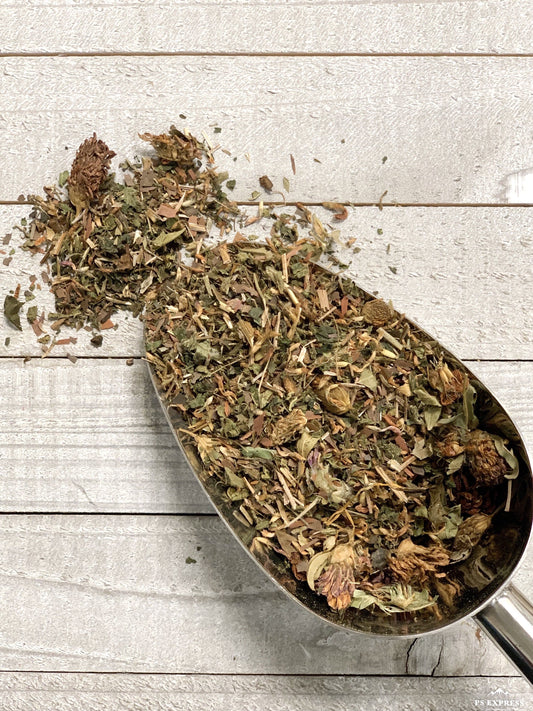
Red Clover, Burdock, Nettles, Mullein, Comfrey, Plantain, Alfalfa, Cayenne,
Catnip, Burdock, Black Cohosh, Chickweed, Garlic, Ginger, Dandelion, Echinacea,
Peppermint, Yarrow, Rose Hips, Yellow Dock, Oregon Grape Root, Lobelia. Food sources: Broccoli, cantaloupe, cauliflower, grapefruit, kiwi, lemons, oranges, papaya, peaches, red bell peppers, strawberries, tomoatoes Vitamin
E Vitamin
E stimulates production of natural killer cells, those that seek and destroy
germs and cancer cells. It also enhances the production of B-cells, the immune
cells that produce antibodies that destroy bacteria. Herbal
sources: Dandelion
Root, watercress, alfalfa, rose hips, red raspberry leaf, comfrey, burdock root,
Echinacea, slippery elm, and yarrow. Food sources: Almonds, broccoli, dandelion greens, and spinach. Carotenoids
/ Beta carotene Beta carotene is the most familiar carotenoid. The body converts beta carotene to vitamin A which itself has immune boosting properties. Too much vitamin A can be toxic so rather than taking supplements it is better to get extra beta carotene from foods which provide healthy, absorbable levels of vitamin A. Herbal
sources:
Alfalfa, nettles, mullein, dandelion root, comfrey, cayenne, yellow dock,
watercress, red raspberry leaves, lobelia, black cohosh, burdock root,
chickweed, echinacea, garlic, ginger, red clover, peppermint, rose hips, yarrow. Food sources: apricots, broccoli, cantaloupe, carrots, collard greens, dandelion greens, kale, mango, peaches, red bell pepper, romaine lettuce, spinach, sweet potatoes, tomatoes, watermelon, and winter squashes Bioflavenoids
Protect
the immune system by protecting the cells of the body against environmental
pollutants. Around the cells are receptor sites where germs can attach.
Bioflavenoids attach to the cells of the immune system and prevent germs from
doing so. A diet that includes at least six servings daily of fruits and
vegetables will provide the body with a healthy level of bioflavenoids. Herbal
sources:
Rose hips, cayenne, burdock root, dandelion, red clover, slippery elm. Food
Sources:
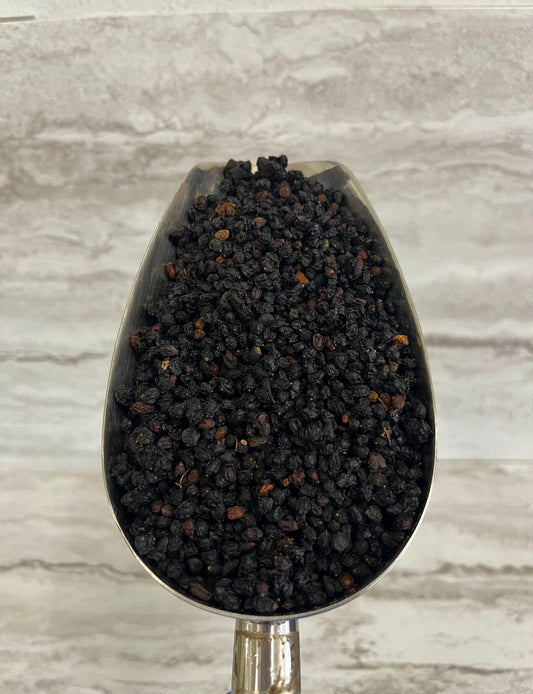
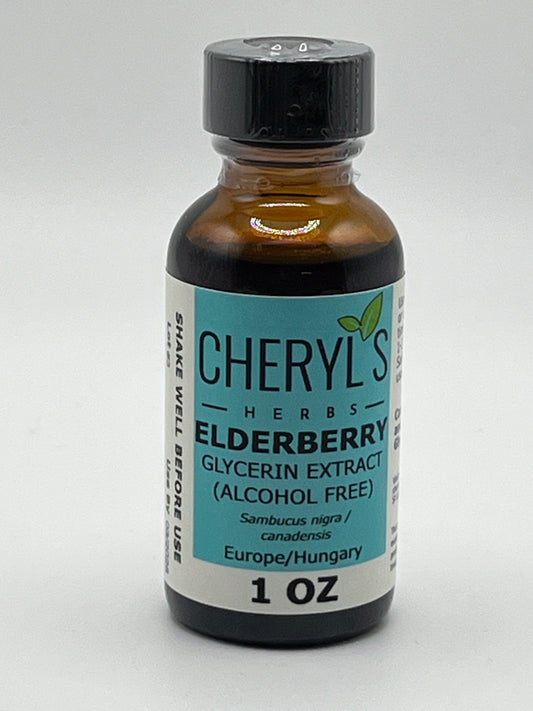
Elder berries, buckwheat greens, citrus fruits. Glutathione Glutathione
is an amino acid found in a variety of foods, and is also produced by every cell
in the body. It is a potent
antioxidant, and helps to neutralize and break down free radicals so that they
may be eliminated and destroyed. It
also helps to strengthen and regenerate immune cells. Herbal
sources:
Milk thistle Food sources: asparagus, avocado, broccoli, cauliflower, grapefruit, onions, oranges, potatoes, strawberries, tomatoes, and watermelon
Herbs
for the immune system: Astragalus Astragalus
membranaceus Stimulates
T-Cell activity. Stimulates phagocytosis(invader-engulfing activity), increasing
the total number of cells and the aggressiveness of their activity. Increased
macrophages activity has been measured as lasting up to seventy-two hours. It
increases the number of stem cells (the ‘generic”cells that can become any
type needed) in the marrow and lymph tissue, stimulates their maturation into
active immune cells, increases spleen activity, increases releases of
antibodies, and boosts the production of hormonal messenger molecules that
signal for virus destruction.” Preparation
and dosage: Tea:
2-3 ounces of herb to a pot of tea; drink throughout the day. Tincture:
30-60 drops up to four times daily. Food:
add 4-8 slices of astragalus root to any broth or stock and simmer for 2-3 hours
see recipes attached. No toxicity has ever been shown from ingestion of astragalus. Siberian
Ginseng Eleutherococcus
senticosus Increases
immunocompetent cells, specifically T lymphocytes ( helper / inducer, cytotoxic,
and natural killer cells). Cumulative
results: the longer you use it, the better it works. It tends to kick in after 6
months of use. It
is a momamine oxidase inhibitor which Buhner indicates as being helpful in
depression. Preparation
and dosage: Cold
infusion 3-6 ounces up to three times daily Extract:1-3
full droppers 1-3 times daily. May
temporarily increase blood pressure which tends to drop back down to normal
after a few weeks of use. Is a better alternative for those under 40 than American or Korean Ginseng it does not posses the strong estrogenic effects that the two Ginsengs do. Echinacea
Echinacea purpurea or Echinacea angustifolia Boosts
the immune system by stimulating the body to produce more infection-fighting
weapons. Interferon kills germs and also infiltrates their genetic control
center, preventing them from reproducing. Echinacea also increases the immune
systems production of macrophage cells, as well as prohibiting the invading
bacteria from secreting an enzyme called hyaluronidase. This prevents the
bacteria from being able to break through the protective membranes such as the
lining of the intestines and respiratory tract, and invade tissue. Preparation
and dosage: It
is best to use Echinacea when the first symptoms of a cold or flu are noticed. Extract:
Full dropper of the extract each hour until symptoms cease. (Note: discontinue use of Echinacea after a few weeks.) Shitake
Mushrooms Lentinus
edodes Shitake
mushrooms mobilize the immune system against viruses, bacteria, cancer and
parasites. One of its major constituents, lentinan, has been shown to stimulate
immunocompetent cells (T cell production and aggressiveness, natural killer
cells, and macrophages), to ne directly active against viral encephalitis, and
to have potent antitumor activity and aggressiveness of the human immune system
against abnormal cells. Increase
your intake of the following foods and herbs to help boost your immune system. Garlic Garlic is rich in sulfur containing compounds such as allicin and sulfides. Many believe this may be the source of its immune boosting ability. Eating garlic stimulates the multiplication of infection-fighting cells, and also acts as an antioxidant reducing the build- up of free radicals in the blood stream. Garlic has powerful antimicrobial properties and helps to cleanse the body of unhealthy microorganisms.
Beets Packed full of vitamins and minerals, including iron, potassium, copper, zinc, calcium, and magnesium. They are also high in fiber.
Broccoli
Broccoli
is rich in beta-carotene and other carotenoids. It also contains a variety of
other powerful antioxidants. Broccoli is a good source of B-complex vitamins,
sulfur, iron, and chlorophyll, and has more vitamin C than citrus fruits.
Cabbage Has
powerful anti cancer agents such as indoles, chlorophyll, and flavenoids that
block the development of cancerous cells. Also
naturally fermented and unpasteurized sauerkraut is an excellent source of
beneficial bacteria and is helpful for improving the health of intestinal flora.
Carrots Carrots
are one of the best sources of beta-carotene.
Kale Kale
has the highest content of carotenoids of all the leafy green vegetables. It
also contains chlorophyll, vitamin C, calcium, magnesium, folic acid, and iron.
Parsley Parsley
contains an abundance of vitamin A, vitamin C, iron, calcium, and magnesium and
is a rich source of chlorophyll.
Watercress
Watercress is exceptionally rich in calcium, iron, and carotenoids. Also watercress is high in chlorophyll. Soups, stews, baking and roasting increase the purifying and nutrifying impact of these foods. Try adding astragalus, shitake mushrooms, or dried seaweeds to soups or grains. Don’t
fret about exact amounts and dosing - just get started and throw some in to
taste.
Soup
Recipe
2 cups carrots (diced)
2 cups butternut squash (diced)
1 cup onion (diced)
4 clove garlic (minced)
1-3 T olive oil
5 cups water or stock 6 pieces astragalus root
Heat
a large soup pot and add olive oil. Add onions, carrots, squash, and garlic.
Saute over medium heat for 15 minutes. Add
water or stock, and astragalus root. Bring to a boil and reduce heat to a simmer
for 30 minutes or until vegetables are soft. Cool slightly. Remove astragalus
root and puree soup in a blender. Reheat the soup. Season to taste. Makes 4
servings. *Any
vegetable can be substituted in this recipe. Use a 1: 1 ratio of veggies to
water or stock. Herbal
Syrup 4
parts Honey (local) 1
part herbal infusion use
any combination of herbs mentioned above To
prepare herbal infusion: I
quart of water 4
tsp. Herb mixture
Any herbs that are roots, bark, or seeds, will need to be simmered in the water as they are tougher. Add
these to your water and bring to a boil. Reduce
to a simmer for 30 minute to an hour. Turn
off the heat and add the herbs that are leaves or flowers to the infusion and
let sit 30 minutes or overnight. Strain
into a measuring cup and add honey. Heat
the honey and herbal infusion or water together until the water and honey have
merged. Remove
from heat. Optional: add
1/4 cup black cherry concentrate add
1/4 cup Brandy or glycerin as a preservative Store in an amber bottle in the refrigerator. Should keep 3-6 months References: Buhner, S. (1998). Herbal Antibiotics. Pownal, VT: Story Books. Vukovic, L. (1998). 14-Day Herbal Cleanse. Paramus, NJ: Prentice Hall.kju November, 2008
© 2008 Cheryl's Herbs. All Rights Reserved.
|